keep your space safe with bat removal
A Guide to Wildlife Control: Key Strategies and Dead Animal Removal Services
Wildlife control encompasses approaches intended to regulate animal populations and maintain secure surroundings. Recognizing the effects of typical wildlife intruders is crucial for property owners. Effective prevention methods can greatly reduce the risk of wildlife intrusions. Additionally, the timely removal of dead animals is critical for health and safety. Yet, numerous individuals are still uninformed about the essential components of proper wildlife management and the value of expert assistance. What measures can be implemented to protect households and neighborhoods?
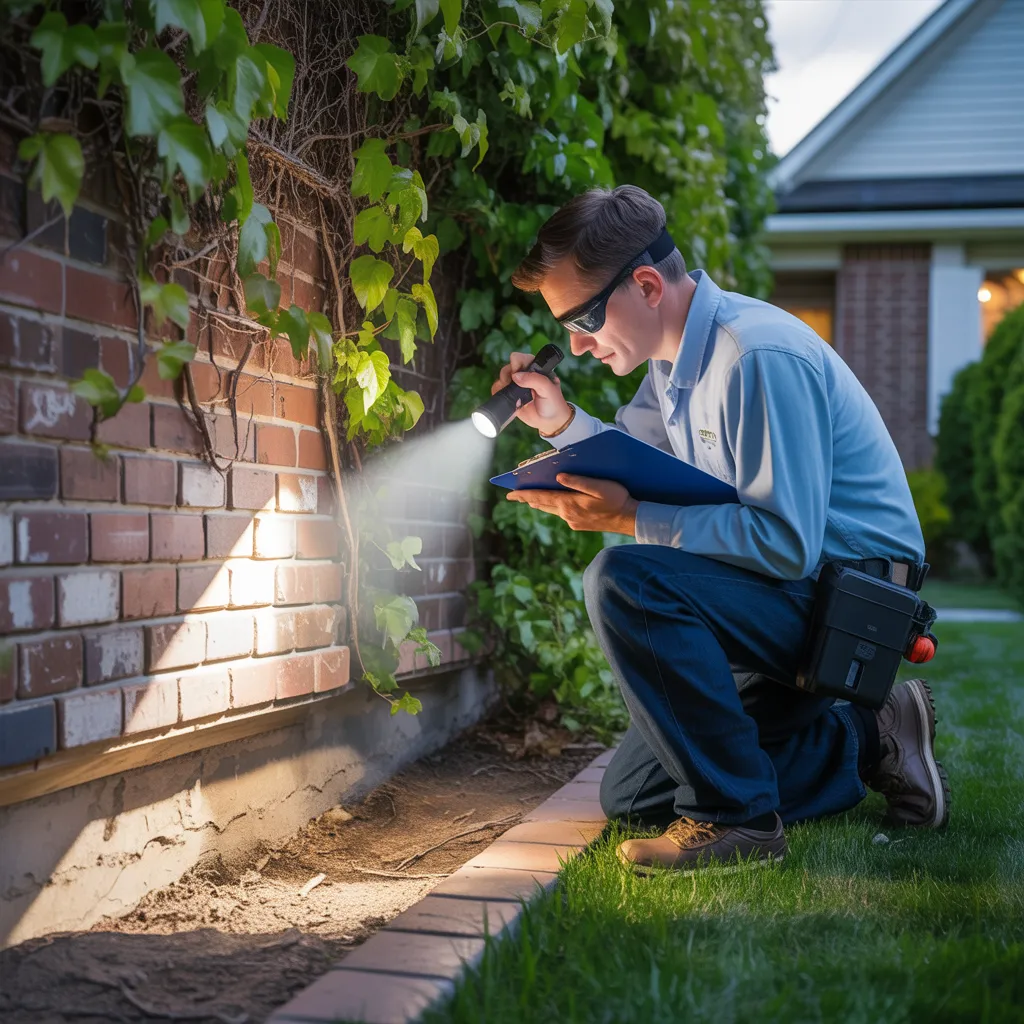
What Is Wildlife Control and Why Is It Essential?
Wildlife control includes a range of strategies aimed at overseeing animal populations and their relationships with human surroundings. This approach is essential for sustaining ecological harmony and limiting disputes between animals and people. Successful wildlife control aids in preserving public health by minimizing the threats connected to zoonotic illnesses, which are capable of spreading from animals to people.
Additionally, it safeguards the interests of farmers by handling species that could harm crops or livestock. By applying compassionate approaches, wildlife regulation supports coexistence, guaranteeing that human requirements and animal protection remain equally important.
Additionally, it serves to maintain natural diversity by handling non-native species that can disrupt native ecosystems. In summary, fauna management is necessary not only for improving safety and minimizing property damage but also for promoting a balanced dynamic between humans and the natural world.
How Common Wildlife Intruders Damage Your Home
Typical wildlife pests pose significant risks to homes, causing structural deterioration that can weaken a building's foundation. They can also contaminate insulation, generating dangerous health risks for residents. Moreover, the existence of these intruders creates significant electrical safety issues, since they are known to gnaw on electrical wiring, heightening the likelihood of dangerous fires.
Structural Damage Risks
The presence of wildlife intruders can cause significant structural damage in residential properties. Creatures including raccoons, squirrels, and rodents often exploit vulnerabilities in building exteriors, establishing openings that undermine the integrity of the structure. Raccoons, as a prime copyrightple, can tear off roof materials and harm insulation, while squirrels may gnaw on electrical cables and timber beams, increasing the risk of fire hazards. Moreover, tunneling animals can destabilize foundations by forming underground passages, increasing the likelihood of structural collapse. As time passes, these breaches can allow moisture to enter, resulting in mold development and wood decay. Property owners must stay alert to signs of wildlife intrusion to avert costly damage and secure the protection and durability of their homes. Prompt intervention is essential to mitigate these risks.
Insulation Contamination Concerns
Insulation functions as a critical shield against temperature changes, but it can readily be damaged by intruding animals. Animals such as mice and raccoons can tear through insulation materials, establishing routes that permit additional intrusion into home frameworks. Their nesting behaviors frequently lead to contaminating the insulation with feces, urine, and various debris, causing significant contamination. This not only diminishes the insulation's effectiveness but also poses health risks due to potential exposure to harmful pathogens. Furthermore, decomposing animal remains can produce foul odors and draw in additional pests. Residents need to resolve insulation contamination without delay to sustain both energy efficiency and air quality indoors, highlighting the necessity of proper wildlife management and remediation strategies.
Electrical Risk Concerns
In what ways do wildlife intruders create electrical hazards in homes? Typical wildlife pests, including rodents and birds, can inflict considerable damage on electrical systems. Rodents, in particular, have a well-known habit of chewing on wires, resulting in exposed conductors and possible short circuits. This not only poses a fire risk but also increases the chances of electrical shock for homeowners. Furthermore, nesting debris from birds can block ventilation systems or build up near electrical panels, increasing the risk of fire. Beyond this, wildlife can bring moisture into the home through burrows or droppings, fostering conditions that promote corrosion and electrical failure. Addressing these risks through effective wildlife control and regular inspections is essential to maintaining a safe living environment.
How to Detect Evidence of Wildlife in Your Area
Identifying signs of wildlife presence is essential for effective control strategies. Typical signs consist of footprints, recognizable sounds, and strange smells that can signal the intrusion of animals. Detecting these signals in a timely manner can help mitigate potential damage to properties.
Typical Wildlife Footprints
A detailed guide large number of outdoor enthusiasts discover that identifying common animal tracks is crucial for comprehending the dynamics of local ecosystems. Tracks vary by species, featuring unique shapes and dimensions. For copyrightple, the tracks of deer appear heart-shaped, while raccoon prints exhibit a hand-like appearance with elongated fingers. The tracks of canines, including coyotes, present a notably oval shape accompanied by visible claw impressions. Studying the gaps between tracks may reveal important information about the animal's dimensions and traveling speed. Moreover, recognizing claw patterns can aid in telling various species apart; to illustrate, the tracks of a bobcat notably lack visible claw marks, setting them apart from a dog's prints. Recognizing these specifics enhances wildlife observation and conservation endeavors, fostering a greater appreciation for nature.

Sounds and Smells
Identifying wildlife presence often goes further than visual cues like trail markings; auditory and olfactory cues play crucial roles as well. Noises such as rustling in the bushes, scratching in walls, or after-dark vocalizations can signal animals searching for food or refuge. Every animal type generates characteristic sounds, assisting in pinpointing the likely animals involved. Smells also offer important indicators. A damp odor may point to a hidden animal nest, while a pungent scent could reveal a deceased animal in the vicinity. Recognizing these sensory indicators empowers homeowners to act quickly. By staying alert to both noises and odors, residents can properly determine wildlife existence and implement proper containment actions before the issue intensifies.
Wildlife Management: Powerful Approaches for Preventing Animal Invasions
Preventing animal intrusions requires a strategic approach that merges wildlife behavioral insights with practical deterrent strategies. Residents ought to start by pinpointing likely entry spots, such as gaps in walls, attics, or basements, and secure them to prevent intrusion. Consistent upkeep of the premises, including cleaning up debris and securing trash, can discourage wildlife in search of nourishment.
Furthermore, using natural deterrents like motion-activated lighting or sound systems can discourage uninvited creatures. Landscaping choices also play a role; choosing native plants and sustaining a neat yard can reduce attraction for various species. Raising awareness among residents about local wildlife tendencies strengthens awareness and promotes proactive efforts.
The Significance of Professional Wildlife Control Services
When wildlife invasions surpass the ability of homeowners to handle, expert wildlife control services emerge as a critical resource. These expert services deliver proficiency in recognizing and managing a broad spectrum of wildlife problems, guaranteeing both safety and compliance with local regulations. Trained professionals utilize humane trapping methods and exclusion techniques to minimize the impact on local ecosystems while effectively resolving conflicts with wildlife.
Additionally, these companies often provide detailed assessments of properties to detect potential weak points that may prompt future intrusions. By utilizing cutting-edge tools and strategies, they can tackle the root origins of wildlife concerns, rather than merely addressing temporary setbacks. This forward-thinking approach not only shields homes but also supports coexistence with local wildlife. In the end, enlisting professional wildlife control services ensures that homeowners can manage challenging wildlife situations in a safe and effective manner, reducing risks to their homes and personal safety.
Why Removing Dead Animals Is Essential
The presence of dead animals on a property can pose significant health risks and attract unwanted pests. Decomposing carcasses release harmful bacteria and pathogens, which can contaminate soil and water sources, jeopardizing human and animal health. Furthermore, the stench arising from a rotting body can disrupt the quality of life for nearby residents and generate an uncomfortable atmosphere.
Furthermore, dead animals can function as a food source for scavenging creatures, including insects and rodents, causing new pest infestations. This can grow into more significant issues, necessitating more intensive pest control solutions. Removing dead animals promptly is vital to address these dangers and bring safety back to the surrounding area.
Professional dead animal removal services are prepared to manage these circumstances effectively, ensuring proper disposal and sanitation. By addressing the issue swiftly, property owners can protect their health, protect the integrity of surrounding ecosystems, and maintain the integrity of their surroundings.
What to Look for in a Wildlife Control Service?
Effective wildlife control services are vital for maintaining a safe and healthy environment, particularly following concerns like dead animal removal. There are several important factors to evaluate when choosing a wildlife control service. As a first step, ensure the company is fully licensed and insured, since this validates their credibility and safeguards against liability. A strong background in the field is indispensable; a business with a demonstrated history of success is better equipped to address diverse wildlife concerns.
In addition, ask about their practices for animal control and prevention, making sure they practice compassionate and environmentally conscious practices. Reviews and testimonials from customers can offer valuable information about the service's trustworthiness and performance.
Ultimately, a reliable company should offer a thorough assessment and continued monitoring to deter future wildlife incursions. By considering these factors, clients can choose a wildlife removal company that prioritizes efficiency, safety, and responsible methods.
Frequently Asked Questions
What Are the Legal Guidelines for Wildlife Management in My Area?
Legal regulations for wildlife control change depending on the area, frequently necessitating permits for trapping and relocation. Local wildlife management agencies offer guidance, ensuring humane treatment and compliance with conservation laws to protect both animals and ecosystems.
How Do I Safely Handle a Dead Animal on My Property?
In order to safely handle a dead animal, it is recommended to put on gloves, employ a shovel for the removal process, double-bag the body, and remove it following local disposal regulations, guaranteeing proper sanitation and reducing potential health risks.
What Are the Pricing Details for Wildlife Control Services?
Wildlife control service costs can vary significantly, typically ranging from $100 to $1,500. Elements that affect the cost include the type of wildlife, extent of infestation, and the removal techniques or prevention strategies required.
Can Wildlife Control Fully Eliminate the Risk of Future Infestations?
Animal control services can substantially decrease the probability of recurring wildlife problems through prevention techniques, but it cannot guarantee total elimination. Ongoing monitoring and maintenance are essential to limit associated risks and resolve any concerns as they arise.
What Kinds of Animals Necessitate Specialized Removal Techniques?
Some animals, such as raccoons, bats, and snakes, necessitate specialized handling methods due to their unique behaviors and potential health risks. Experts must utilize targeted methods to secure safe and ethical handling during the removal process.